













Electric Scooter Commuting Guide: Save Time and Money

A driver who buys a new car in 2025 pays an average of $11,577 a year to own and operate it, according to AAA's annual driving cost study. Electric scooter commuting flips that math. Most riders spend less than $30 a month on electricity and basic upkeep, and for trips under 10 miles, a scooter often beats a car stuck in traffic or a bus running on a fixed schedule.
This guide covers what electric scooter commuting actually costs, which features matter for a daily ride, and how to pick a model that fits your route. You'll also find the safety rules that apply to commuter scooters and a maintenance routine that keeps a scooter running for years.
The average one-way commute in the United States runs 27.6 minutes, according to the US Census Bureau. For riders within 5 to 10 miles of work, an electric scooter often closes that gap faster than a car in city traffic, while skipping fuel stops, parking fees, and insurance premiums entirely.
Whether you're replacing a short car commute, cutting out the last mile of a transit trip, or just looking for a cheaper way to get to the office, the numbers below will help you decide if electric scooter commuting fits your daily routine.
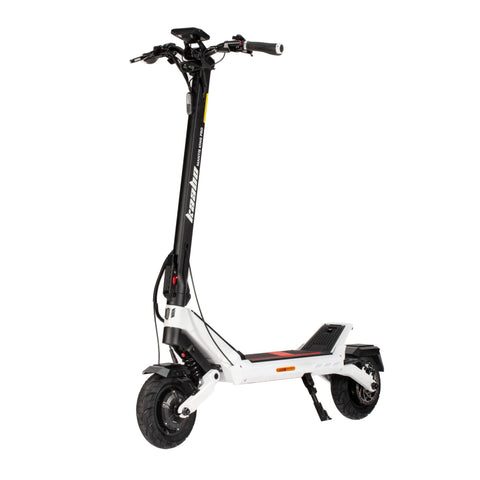
Quick Answer: Electric scooter commuting costs roughly $0.05 to $0.15 per charge in electricity and typically saves riders $8,000 to $11,000 a year compared with owning a car, based on AAA's $11,577 average annual ownership cost. A UL 2272-certified scooter with 25+ miles of range, such as the Mantis 8 Lite, covers most round-trip commutes of 5 to 12 miles on a single charge.
How Electric Scooter Commuting Compares to Driving and Transit
Electric scooter commuting costs a fraction of driving and often matches or beats public transit on time. A scooter that costs $800 to $1,300 upfront typically pays for itself within the first year through savings on gas, parking, and transit fares alone.
AAA's 2025 figures put the average annual cost of owning a new vehicle at $11,577, or about $965 a month, once fuel, insurance, maintenance, and depreciation are included. That's based on driving 15,000 miles a year. A commuter who switches to an electric scooter for a 5-mile round trip, five days a week, covers roughly 1,300 miles a year and spends well under $50 on electricity for that distance.
Transit isn't always faster, either. The Census Bureau reports that the average transit commute takes 48.2 minutes one way, compared with 26.4 minutes for drivers. Electric scooter commuting at 15 to 20 mph often lands between those two numbers for short urban routes, without the wait times at stops or transfers.
There's a tradeoff worth noting: scooters work best for distances under 10 to 15 miles and in weather conditions where riding outdoors is practical. For longer commutes, many riders pair a folding scooter with a bus or train to cover the "last mile" instead of replacing the whole trip.
What Makes a Scooter Good for Daily Commuting
A commuter electric scooter needs enough range for a round trip, a motor strong enough to handle hills and stop-and-go starts, and a frame that folds down for storage at a desk or in a hallway. Tires and weather resistance matter just as much once the ride becomes a daily habit instead of a weekend activity.
Battery Range and Motor Power
Range determines whether you need to charge at work or can make it home on one battery. A scooter rated for 25 miles realistically delivers 18 to 22 miles in everyday riding once rider weight, hills, and stop-and-go traffic are factored in. Dual-motor setups, like the 500W x2 motors on the Mantis 8 Lite, handle inclines and quick acceleration from stoplights better than a single small motor.
Folding Design and Portability
A commuter scooter spends part of its day indoors, whether that's under a desk, in a coat closet, or on a train. Foldable frames that collapse in one motion, like the Mantis series, make it practical to carry a scooter into an office lobby or up an apartment stairwell without drawing complaints from building staff.
Weather Resistance and Tires
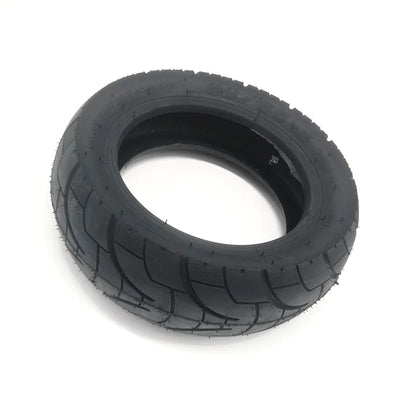
Pneumatic (air-filled) tires absorb cracks and potholes better than solid tires, which matters on city streets that don't get repaved often. Look for an IP rating that confirms splash resistance for light rain, since commuting doesn't pause for a passing shower the way recreational riding does.
Best Kaabo Models for Electric Scooter Commuting
The right scooter for electric scooter commuting depends mainly on your round-trip distance and how often you'll carry it indoors. Short, flat commutes favor lighter, simpler models, while longer or hillier routes call for dual motors and bigger batteries.
The table below compares four Kaabo models built for daily riding, based on current specifications and pricing.
| Model | Motor Power | Top Speed | Range | Price | Best For |
|---|---|---|---|---|---|
| Urban | 500W | 25 mph | 25 miles | $799 | Short, flat commutes; easy to carry |
| Mantis 8 Lite | 500W x2 | 25 mph | 25 miles | $999 | Daily city commuting with extra power for hills |
| Mantis 10 Lite | 500W x2 | 31 mph | 37 miles | $999 | Longer commutes and mixed terrain |
| Mantis X Plus | 500W x2 | 31 mph | 46 miles | $1,299 | Multi-day range without nightly charging |
Riders covering 3 to 5 miles each way generally find the Urban or Mantis 8 Lite sufficient. For commutes pushing past 8 miles round trip, or routes with steady hills, the Mantis 10 Lite and Mantis X Plus add a margin of range that prevents low-battery surprises on the ride home. You can compare full specifications side by side on the model comparison page before deciding.
Charging Costs and Maintenance for Daily Commuter Scooters
Charging a commuter scooter costs only a few cents per session, and a simple weekly maintenance routine keeps that cost low by preventing the kind of wear that shortens battery and motor life.
Calculating Your Charging Cost
A typical commuter scooter battery holds roughly 0.5 to 0.7 kWh. At the average US residential electricity rate of about $0.18 per kWh, a full charge costs between $0.09 and $0.13. Charging five days a week for a year adds up to roughly $25 to $35 in electricity, a number that barely registers next to a car's monthly fuel bill.
Maintenance Checklist for Commuter Scooters
Daily riders put more cumulative miles on a scooter in a few months than weekend riders log in a year, so small checks prevent bigger repairs. A short weekly routine covers most of what matters:
- Tire pressure: Check weekly, since low pressure increases rolling resistance and drains the battery faster.
- Brake response: Test before every ride, especially after wet weather, since pads wear faster in rain.
- Folding mechanism: Inspect monthly for looseness, since this joint absorbs stress every time the scooter folds for storage.
- Battery charge habits: Avoid leaving the battery at 0% or 100% for extended periods, since both extremes accelerate capacity loss over time.
Safety Standards and Local Laws for E-Scooter Commuters
Electric scooter commuting is legal in most US cities, but riders need to confirm local rules on where scooters can operate and whether a certified battery is required. UL 2272 certification has become the baseline safety standard that many cities and retailers now expect.
UL 2272 and Battery Safety
UL 2272 is a safety standard from UL Solutions that tests the electrical drive train and battery system of personal e-mobility devices for fire and shock hazards. The US Consumer Product Safety Commission has flagged battery fires as a growing concern with uncertified scooters, making UL 2272 certification an important checkpoint for any scooter used daily and charged indoors.
Where You Can Legally Ride
Rules vary by city and state, covering where scooters can ride (bike lanes, sidewalks, or streets), maximum speed limits, and minimum rider age. New York City's Local Law, for example, requires UL 2272 certification for e-scooters and e-bikes sold, leased, or rented within the city. Before committing to electric scooter commuting, check your city transportation department's website for speed caps, helmet requirements, and any registration steps.
Frequently Asked Questions
How much does electric scooter commuting cost per month?
Most riders spend $5 to $15 a month on electricity for a daily commute under 10 miles round trip. Adding occasional tire or brake pad replacements brings typical monthly costs to $15 to $30, far below the $965 average monthly cost of owning a car reported by AAA.
Is electric scooter commuting legal in the United States?
Yes, in most cities, though specific rules vary by location. Many cities require UL 2272-certified batteries, set maximum speeds around 15 to 20 mph on sidewalks or bike lanes, and restrict riding on certain roads. Check your city's transportation department for exact requirements before commuting daily.
How far can a commuter electric scooter go on one charge?
Range depends on the model, rider weight, terrain, and speed. A scooter rated for 25 miles, like the Mantis 8 Lite, realistically covers 18 to 22 miles in mixed city riding. Models like the Mantis X Plus, rated for 46 miles, suit longer commutes or multi-day use between charges.
Do I need a license for electric scooter commuting?
In most US states, no driver's license is required for personal electric scooters used on bike lanes or designated paths. Some states set a minimum age, often 16, and a few require registration for scooters that exceed certain speed thresholds. Local laws vary, so verify requirements in your city.
How fast can electric scooters go for commuting?
Commuter models typically reach 25 to 31 mph, though local speed limits for sidewalks and bike lanes are often capped at 15 to 20 mph. The Mantis 8 Lite tops out at 25 mph, while the Mantis 10 Lite and Mantis X Plus reach 31 mph on open roads where legal.
Is electric scooter commuting safe in light rain?
Many commuter scooters carry an IP rating for splash resistance, which allows light rain riding, but wet pavement increases stopping distances significantly. Riders should reduce speed, test brakes early, and avoid painted road markings and metal grates, which become slippery when wet.
Make Electric Scooter Commuting Part of Your Daily Routine
Electric scooter commuting turns a recurring expense into a one-time purchase that pays for itself within months. Once the upfront cost is covered, the daily expense drops to pocket change for electricity and occasional tire or brake maintenance, while the time saved avoiding traffic and transit transfers adds up across a year.
Picking the right model comes down to your commute distance and how often you'll need to carry the scooter indoors. Shorter, flatter routes work well with the Urban, while longer or hillier commutes benefit from the extra range and power of the Mantis 10 Lite or Mantis X Plus.
If you're still weighing a scooter against other options, the E Scooter vs E Bike comparison breaks down how the two stack up for daily riding. Ready to find your fit? Browse the full lineup on the model comparison page and start cutting your commute costs starting tomorrow.