













Electric Scooter Commuting Costs for College Students

A commuter parking permit at the University of Maryland costs $387 a year for daytime-only access, and that's before gas, insurance, or a single parking ticket. AAA calculates that operating a small sedan costs 55.87 cents per mile in 2025, which turns a routine 3-mile ride across town into real money by finals week. Electric scooter commuting costs for college students look nothing like that math, and the gap is bigger than most students expect before they run the numbers themselves.
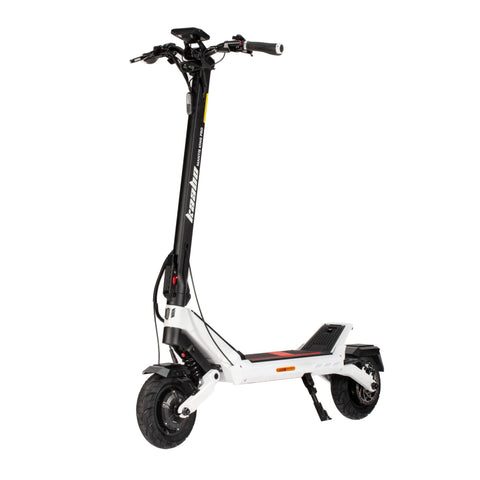
A full charge on a Kaabo Urban, priced at 48V and 10.4Ah, draws about half a kilowatt-hour of electricity. At the national average residential rate of 16.48 cents per kilowatt-hour, that charge costs roughly 8 cents and covers 25 miles.
Campus parking permits, rideshare apps, and car payments all charge by the semester or the mile. A scooter charges by the outlet.
This breakdown covers what an electric scooter actually costs to charge and maintain, how that compares to parking permits, driving, and rideshare fares, and which models make the most financial sense for a typical semester of campus commuting.
Quick Answer: Electric scooter commuting costs for college students run about 8 cents per full charge and roughly $0.003 per mile in electricity, compared to 55.87 cents per mile to drive a small sedan (AAA, 2025) and $200 to $750 a year for a campus parking permit. A scooter purchase typically pays for itself within one to two semesters of avoided rideshare and parking costs.
Electric Scooter Commuting Costs for College Students: The Full Breakdown
The real cost of commuting by electric scooter comes down to three line items: the purchase price, the electricity to charge it, and occasional maintenance like tires or brake pads. There's no gas, no oil changes, no insurance requirement in most states, and no recurring parking permit fee for a scooter that folds up and comes inside with you.
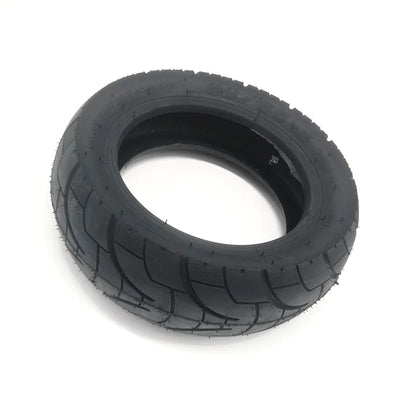
A Kaabo Mantis 8 Lite currently sells for $899 during the back-to-school sale period. Spread that cost across four years of undergraduate commuting and it works out to roughly $19 a month, less than a single week of campus dining hall extras. Maintenance costs stay low too: a replacement tire runs about $55 to $79, and most riders replace one every one to two years depending on mileage and terrain.
Compare that to a car payment, which averaged $770 a month for new vehicles in early 2026 according to Experian's average car payment data, and the scooter math looks even better. Even a used car with no payment still carries AAA's 55.87-cents-per-mile operating cost once gas, maintenance, and depreciation are factored in.
How Much Does It Cost to Charge an Electric Scooter?
Charging an electric scooter costs a few cents per session because the battery pack holds a fraction of a car's energy capacity. A typical campus commuter scooter uses a 300 to 500 watt-hour battery, and at the U.S. average residential electricity rate of 16.48 cents per kilowatt-hour, a full charge costs between 5 and 10 cents depending on battery size.
Cost Per Full Charge
The Kaabo Urban runs a 48V, 10.4Ah battery pack, which works out to about 0.5 kilowatt-hours per full charge. Multiplied by the national electricity rate, that's roughly 8 cents to fully recharge and ride 25 miles. Larger-capacity models like the Mantis X Plus cost a little more per charge since the battery holds more energy, but the increase is measured in pennies, not dollars.
Cost Per Mile
Dividing the charging cost by range gives a cost-per-mile figure that undercuts every other campus transportation option. A Kaabo Urban charge costs about $0.003 per mile, compared to $0.559 per mile to drive a small sedan and $1 to $2 per mile for an average Uber ride in most U.S. cities. Over a semester of daily 3-mile commutes, that difference adds up to hundreds of dollars saved on electricity alone.
Comparing Electric Scooter Costs to Parking Permits and Driving
Campus parking permits alone often cost more per year than charging a scooter costs over four years of college. Annual student permit prices at large universities commonly range from $273 at Duke to $750 for a resident permit at the University of Maryland, and those figures don't include the car payment, insurance, or gas that go with actually driving the vehicle.
| Commute Method | Typical Annual Cost | Cost Per Mile |
|---|---|---|
| Electric scooter (charging only) | $10–$25 | ~$0.003 |
| Campus parking permit | $273–$750 | N/A (flat fee) |
| Small sedan (AAA, 2025) | $11,577 total ownership | $0.559 |
| Rideshare (Uber/Lyft, daily short trips) | $1,000+ | $1.00–$2.00 |
The scooter row assumes daily charging for an average semester and doesn't include the one-time purchase price, which is where the comparison gets even more favorable once it's spread across multiple years of use. Even after adding a $799 to $1,299 purchase price into the math, a scooter still costs less over four years than a single year of new-car ownership, because the recurring costs on the car side never stop while the scooter's main expense happens once.
Parking permits also come with restrictions that a scooter avoids entirely. A commuter permit at Maryland only covers daytime hours, so an evening class or a weekend job still means paying for a garage or risking a ticket. Since a folding scooter comes inside with its owner, there's no permit tier to upgrade and no lot to search for an open spot before an 8 a.m. lecture.
Rideshare and Bus Pass Costs Add Up Fast
A single Uber ride across a large campus or into town costs $1 to $2 per mile once the base fare and booking fee are included, and those charges apply every single trip. Riders in New York City pay the highest rates in the country, between $1.70 and $1.90 per mile, while most other major metros land between $0.90 and $1.35 per mile.
Uber and Lyft Between Classes
Ten short rideshare trips a month at an average $8 to $12 per ride adds up to $80 to $120, or roughly $960 to $1,440 across a nine-month academic year. A scooter covers the same trips for a few dollars in electricity, plus the one-time purchase cost.
Semester Math
Multiply a modest rideshare habit by four years of college and the total easily exceeds the price of two or three electric scooters. Students who ride to class, to a part-time job, and to off-campus housing tend to see the fastest payback period, often inside a single semester.
Choosing the Right Scooter for Your Budget This Back-to-School Season
Budget matters as much as range when picking a scooter for campus commuting, and the current Sales and Deals lineup covers a wide price range. Students commuting short distances across a compact campus can get by on the entry-level Urban, while those riding farther or off-campus benefit from a longer-range model.
| Model | Price (Sale) | Range | Best For |
|---|---|---|---|
| Kaabo Urban | $799 | 25 mi | Short campus hops, lightest to carry |
| Mantis 8 Lite | $899 | 25 mi | Daily commuters wanting dual-motor stability |
| Mantis 10 Lite | $1,099 | 37 mi | Off-campus housing, longer rides |
| Mantis X Plus | $1,299 | 46 mi | Students commuting from farther out |
Students who qualify for the $65 student discount can apply it on top of sale pricing, and the current Campus Riding Kit bundle adds a phone mount, storage pouch, apparel, and a six-month warranty extension at no extra cost. Both offers stack with the sale prices shown above, which lowers the already-favorable cost-per-mile math even further.
Electric Scooter Commuting Costs for College Students Add Up in Your Favor
The numbers above come down to pennies per mile once the purchase price is spread across a semester or two, while driving, parking, and rideshare costs keep recurring every single month. A scooter isn't free, but it's one of the few campus transportation options where the total cost gets cheaper the longer a student owns it.
Run the numbers against your own routine: count how many rides, parking days, or Uber trips a typical week actually takes, then compare that against a one-time purchase and a few cents of electricity a day. For most students living within a few miles of campus, the math favors the scooter within a semester or two.
The current back-to-school lineup, from the Kaabo Urban to the Mantis X Plus, is available through the Sales and Deals page, with the student discount and Campus Riding Kit both available to eligible riders this semester.
Frequently Asked Questions
How much does it cost to charge an electric scooter for college commuting?
Charging a campus commuter scooter costs roughly 5 to 10 cents per full charge at the national average electricity rate of 16.48 cents per kilowatt-hour. That keeps weekly charging costs well under a dollar for most riders covering 3 to 5 miles a day between classes.
Is an electric scooter cheaper than a campus parking permit?
Yes, in nearly every case. Campus parking permits range from about $273 to $750 a year at major universities, while a scooter's electricity cost totals $10 to $25 a year. The scooter's purchase price is the main upfront cost, but it's typically recovered within one to two semesters of avoided permit and parking fees.
How much does an electric scooter save compared to Uber or Lyft?
A scooter can save hundreds of dollars a semester compared to rideshare apps, which charge $1 to $2 per mile in most U.S. cities. Ten short rideshare trips a month can cost $80 to $120, while the same trips on a scooter cost only a few dollars in electricity.
How long does it take for an electric scooter to pay for itself in college?
Most students recover the purchase price within one to two semesters if they were previously paying for parking, rideshare rides, or gas for short campus trips. Riders commuting daily from off-campus housing tend to see the fastest payback, since they avoid the highest recurring transportation costs.
Do electric scooters have ongoing costs besides charging?
Yes, though they stay modest. Expect to replace a tire every one to two years for $55 to $79 and budget occasionally for brake pads or a new battery after several years of heavy use. Even with maintenance included, the total stays far below the cost of owning or renting a car for four years of school.