













50 MPH Electric Scooters: Speed, Safety and Performance

Most electric scooters top out at 15–25 mph. A 50 mph electric scooter is a different category entirely. At that speed, every part of the machine works harder — the frame flexes more, brakes heat faster, and suspension response time shrinks. Riders who want 50 mph need a scooter built specifically for it, not one that happens to reach it.
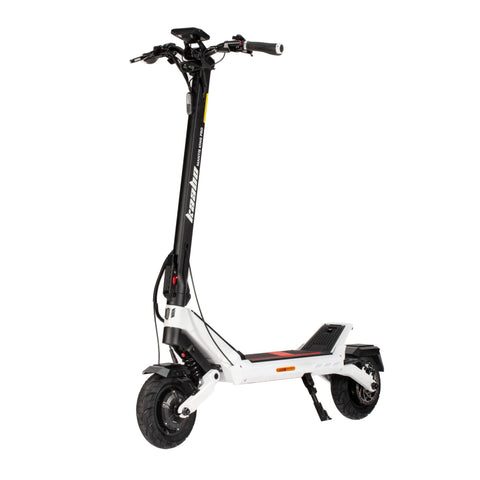
Kaabo builds two machines that hit 50 mph as a design target, not an afterthought. The Warrior 11 Pro+ and the Warrior 11 Max both reach 50 mph and support 330 lb rider loads. But they use different motor outputs, battery chemistry, and suspension systems to get there. So the right choice depends on how you ride and what terrain you tackle.
This article covers what makes a 50 mph electric scooter safe and reliable, compares both Warrior 11 models against similar platforms, and helps you decide which machine fits your riding style.
Quick Answer: A 50 mph electric scooter needs dual motors producing at least 2400W combined, hydraulic disc brakes with ABS or EABS, a dual stem forged aluminium frame, and pneumatic tyres above 10 inches. The Kaabo Warrior 11 Pro+ peaks at 5400W from dual 1200W motors. The Warrior 11 Max peaks at 6720W from dual 1500W motors. Both reach 50 mph and support 330 lb maximum rider load.
What a 50 MPH Electric Scooter Actually Requires
Reaching 50 mph safely is an engineering challenge, not just a power problem. Speed wobble, brake fade, and tyre failure all become realistic risks above 40 mph on machines not designed for that range. So the first question isn't which scooter goes fastest — it's which scooter stays stable and stops reliably at that speed.
Three systems carry the most responsibility: the frame, the brakes, and the suspension.
Frame: Dual Stem vs Single Stem
A single-stem frame concentrates all steering load through one structural member. At 50 mph, flex in that stem creates the speed wobble feeling — where the front end starts oscillating side to side. Kaabo introduced the dual stem design to the electric scooter market specifically to address this. Two parallel stems distribute the load and stiffen the front assembly. Both the Warrior 11 Pro+ and Warrior 11 Max use T6082 aviation-grade aluminium forged in one piece for their dual stems. That one-piece forging process removes the weak points that welded connections create under vibration and repeated dynamic loads.
Brakes: Why 160mm Hydraulics Matter at Speed
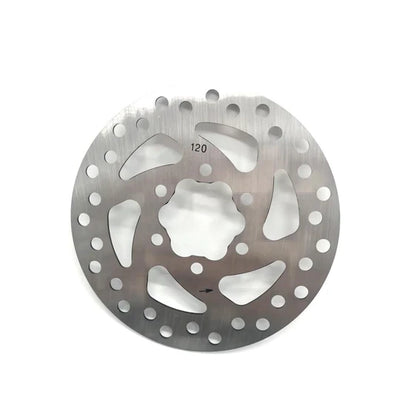
Cable disc brakes work fine at 25–30 mph. But above 40 mph, the stopping distance increases sharply with speed — and cable tension loosens under heat. The Warrior 11 Pro+ runs 160mm hydraulic disc brakes with ABS. The Warrior 11 Max upgrades to 160mm hydraulic disc brakes with EABS and dual-piston calipers. Dual pistons clamp both sides of the rotor evenly, which reduces brake fade during repeated hard stops. Both systems stop the scooter from 15 mph to zero in under 10 feet.
Suspension for High-Speed Stability
Above 40 mph, small road imperfections become major inputs. Poor suspension transmits those directly to the handlebars, reducing steering control. The Warrior 11 Pro+ uses motorcycle-grade inverted hydraulic front shocks with a rear C-spring unit. The Warrior 11 Max steps up to 120mm travel inverted hydraulic front suspension with a 15-level adjustable rear shock. More travel absorbs bigger impacts. Adjustable damping lets riders tune stiffness for their weight and riding style.
Warrior 11 Pro+ vs Warrior 11 Max: Which 50 MPH Electric Scooter Fits You?
Both models reach 50 mph and share the T6082 dual stem frame. But the motor output, battery chemistry, and suspension spec differ enough to make the choice meaningful.
| Specification | Warrior 11 Pro+ | Warrior 11 Max |
|---|---|---|
| Rated Motor Power | 1200W × 2 | 1500W × 2 |
| Peak Power | 5400W | 6720W |
| Top Speed | 50 mph | 50 mph |
| Torque | Not rated | 52 N·m |
| Battery | 60V 35Ah (LG MJ1 18650) | 60V 36Ah (DMEGC 21700) |
| Real-World Range | 50–60 miles (high speed) | 50–60 miles (high speed) |
| Optimal Range | 93 miles | 93 miles |
| Front Suspension | Inverted hydraulic | Inverted hydraulic, 120mm travel |
| Rear Suspension | C-spring | 15-level adjustable |
| Brakes | Hydraulic 160mm + ABS | Hydraulic 160mm + EABS + dual piston |
| Climbing Angle | 45° | 45° |
| Max Load | 330 lbs | 330 lbs |
| Weight | 101 lbs | 123 lbs |
| Standard Charge Time | ~8 hrs (dual chargers) | ~10 hrs (1.75A × 2) |
| Fast Charge Time | Not rated | ~3.5 hrs (5A × 2) |
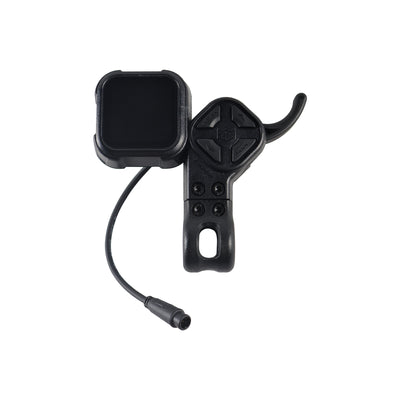
| Display | Minimotors EY3 | Kaabo centre display |
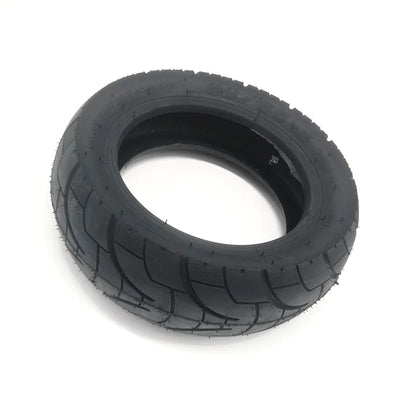
| Tyre | 11" tubeless (LG battery) | 11" CST tubeless, puncture-proof |
| IP Rating | Not rated | IPX5 |
| Frame Material | T6082 one-piece forged | T6082 one-piece forged |
The Warrior 11 Max is heavier at 123 lbs vs the Pro+'s 101 lbs. But it adds 52 N·m of torque, dual-piston calipers, 15-level rear suspension, DMEGC 21700 cell chemistry, and IPX5 water resistance. For riders who prioritise advanced braking and suspension tuning, the Max is worth the extra 22 lbs. For riders who want the lightest possible 50 mph machine, the Pro+ delivers the same top speed at lower weight.
50 MPH Electric Scooter Comparison: Kaabo vs the Competition
The Warrior 11 models compete in a small field. Very few production scooters reach 50 mph with the structural integrity needed to ride it safely. Here's how the Warrior models compare to the closest alternatives.
| Specification | Warrior 11 Pro+ | Warrior 11 Max | Dualtron Thunder 2 | Segway GT2 |
|---|---|---|---|---|
| Peak Power | 5400W | 6720W | 8100W | ~9,000W |
| Top Speed | 50 mph | 50 mph | 50+ mph | ~43 mph |
| Battery | 60V 35Ah | 60V 36Ah | 84V 35Ah | ~50V 23Ah |
| Optimal Range | 93 miles | 93 miles | ~75 miles | ~43 miles |
| Frame Design | Dual stem | Dual stem | Single stem | Dual stem |
| Brakes | Hydraulic + ABS | Hydraulic + EABS + dual piston | Hydraulic | Hydraulic + NFC |
| Max Load | 330 lbs | 330 lbs | 265 lbs | 265 lbs |
| Weight | 101 lbs | 123 lbs | 95 lbs | 96 lbs |
The Warrior 11 Pro+ and Warrior 11 Max both outperform direct competitors on two key points. First, both support 330 lbs maximum load — significantly above the 265 lb limit of the Dualtron Thunder 2 and Segway GT2. Second, the Warrior Pro+'s LG MJ1 battery and Warrior Max's DMEGC 21700 cells support longer real-world range at high speeds than the competition's smaller battery packs.
Safety Gear and Riding Habits for 50 MPH Electric Scooters
Riding a 50 mph electric scooter requires gear that matches the risk. Standard bicycle helmets aren't rated for 50 mph impacts. Specifically, look for helmets certified to CPSC standard (Consumer Product Safety Commission) for the US or ECE 22.06 for European riders — the motorcycle helmet standard that covers high-speed impacts. According to NHTSA helmet safety research, the difference between a certified and uncertified helmet at high speeds is significant in terms of impact force reduction.
Beyond helmets, knee pads, elbow pads, and wrist guards rated for motor sport use reduce injury risk during falls at high speed. Gloves with palm reinforcement protect hands during instinctive bracing.
Riding Modes and Speed Management
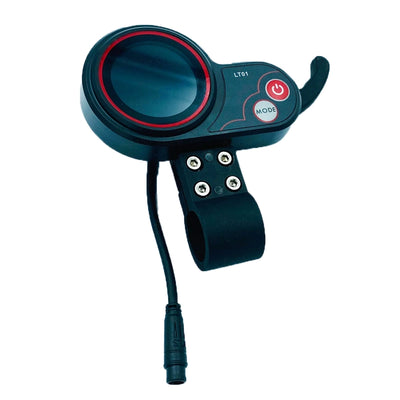
The Warrior 11 Max includes five riding modes — from relaxed cruising to full dual-motor power. This isn't just a convenience feature. For new riders on a 50 mph scooter, starting in a lower power mode builds familiarity with the machine's acceleration and braking behaviour before accessing full output. The Warrior 11 Pro+ uses the Minimotors EY3 display with Minimotors controllers, which also support speed-limit settings for controlled riding in shared environments.
Both models include motorcycle-grade electric horns and high-intensity LED headlight systems. Visibility at speed matters — especially at dusk or dawn when other road users have less time to react to a fast-moving scooter.
50 MPH Electric Scooter Legal Considerations in the US
A 50 mph electric scooter exceeds the legal speed and power limits for electric scooters on public roads in every US state. Under most state-level electric scooter regulations, street-legal e-scooters are limited to 20–30 mph and classified as low-speed electric vehicles. According to NCSL's state-by-state electric scooter law database, no US state currently permits 50 mph electric scooters on standard public roads without motorcycle registration and licensing.
Both Warrior 11 models suit private land, closed tracks, off-road trails, and designated OHV areas. Some US states have specific off-highway vehicle areas managed by the Bureau of Land Management where high-power electric scooters may operate legally. Check your local regulations before riding on public roads or shared paths.
Frequently Asked Questions
What makes a 50 mph electric scooter safe at high speeds?
A safe 50 mph electric scooter needs a dual stem forged aluminium frame to prevent speed wobble, hydraulic disc brakes with ABS or EABS, inverted front suspension with at least 100mm travel, and 11-inch pneumatic tyres. The Kaabo Warrior 11 Pro+ and Warrior 11 Max both meet these requirements with T6082 one-piece forged dual stems and 160mm hydraulic brakes.
Is the Kaabo Warrior 11 Pro+ or Warrior 11 Max better for a 50 mph electric scooter?
The Warrior 11 Pro+ is better for riders who want a lighter 50 mph electric scooter at 101 lbs. The Warrior 11 Max suits riders who want higher torque (52 N·m), dual-piston brakes, adjustable rear suspension, and fast-charge capability. Both hit 50 mph and support 330 lb load. The Max adds 22 lbs but brings meaningful performance and safety upgrades.
Are 50 mph electric scooters legal in the US?
No. A 50 mph electric scooter exceeds the speed and power limits for street-legal electric scooters in all US states. Most states cap street-legal e-scooters at 20–30 mph. Kaabo Warrior 11 models suit private land, off-road trails, and designated OHV areas. Check your state's specific regulations before riding on public roads or shared paths.
How far can a 50 mph electric scooter travel on one charge?
The Kaabo Warrior 11 Pro+ and Warrior 11 Max both reach 93 miles under optimal conditions — 165 lbs rider at 15 mph on flat ground. At realistic high-speed use, expect 50–60 miles per charge. The Warrior 11 Pro+ uses LG MJ1 18650 cells. The Warrior 11 Max uses DMEGC 21700 cells, which support faster charge cycles over time.
What helmet should I wear on a 50 mph electric scooter?
Wear a full-face helmet certified to ECE 22.06 (Europe) or DOT/SNELL standards (US) for a 50 mph electric scooter. Standard bicycle helmets aren't rated for impacts at this speed. Motorcycle-certified helmets reduce impact force significantly more than cycling helmets at high speeds. Add knee pads, elbow pads, and wrist guards rated for motorsport use.
At 50 MPH, the Right Scooter Is the One Built for It
Speed without the right engineering behind it creates risk. A 50 mph electric scooter needs every system — frame, brakes, suspension, tyres — working together. The Warrior 11 Pro+ and Warrior 11 Max are both designed around 50 mph as an operating condition, not a maximum limit. That design intent shows in the T6082 dual stem, the 160mm hydraulic brake systems, and the heavy-duty suspension setups.
If you want the lighter option with proven performance, the Warrior 11 Pro+ covers everything a 50 mph off-road rider needs. If you want higher torque, adjustable suspension, dual-piston brakes, and fast charging, the Warrior 11 Max delivers the full upgrade. Both handle 330 lbs, both reach 50 mph, and both bring the structural integrity that speed demands.