













Why Micro-Mobility Matters: A Deep Dive Into the Future of City Travel

The World Is Moving Faster, but Cities Aren’t Keeping Up
If you’ve ever been stuck in bumper-to-bumper traffic, crammed onto a packed subway, or left waiting endlessly for a delayed bus, you already understand why people are turning to compact, personal transportation options. Cities are growing at record speeds. According to data from the United Nations, 68% of the world’s population will live in cities by 2050 — and that growth is putting intense pressure on already strained transportation systems.
This brings us to one of the biggest transportation shifts of our generation: micro mobility.
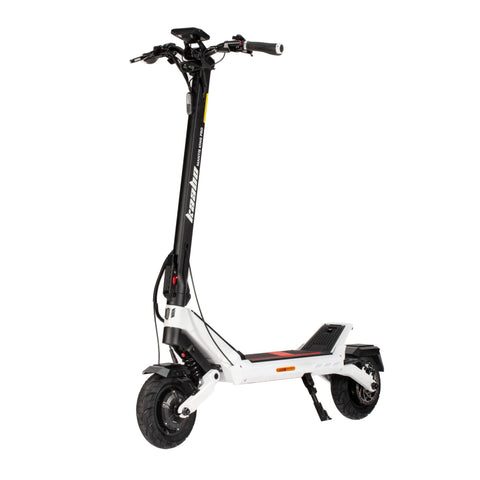
Micro mobility refers to lightweight, low-speed, often electric vehicles designed for short-distance travel — like e-scooters, e-bikes, and compact electric rides. And right now, nothing showcases the benefits of micro mobility for urban commuters better than modern electric scooters such as the Kaabo Urban, designed specifically for real city environments.
With NFC unlock technology, high ground clearance, tubeless tires, and serious torque, the Kaabo Urban represents the next evolution of city mobility — one built for chaos, convenience, and comfort.
But before diving into the performance side, let’s unpack why micro mobility has become the heartbeat of modern city travel.
The Rise of Micro Mobility in Global Cities
Micro mobility didn’t just appear — it was born out of necessity.
For decades, cities were built for cars. Highways mattered. Parking lots mattered. The urban lifestyle revolved around four wheels. But times have changed, and so have people’s expectations.
People want:
-
Affordable commuting
-
Cleaner mobility options
-
Less congestion
-
More convenience
-
More flexibility
Public transportation still plays a major role, but it’s not enough. According to Bloomberg’s urban mobility analysis, commute times in major U.S. cities have increased by more than 20% in the last decade. The infrastructure simply can’t keep up.
Micro mobility, however?
It slides right into the gaps — those “first mile / last mile” spaces where buses and subways fall short. The result is a transportation ecosystem that becomes faster, easier, and dramatically more efficient.
Why Micro Mobility is Exploding: Understanding the Demand
Let’s break down the key reasons micro mobility has skyrocketed and why its growth isn’t slowing anytime soon:
1. Congestion Is at an All-Time High
Cities like Los Angeles, New York, and Miami consistently rank among the most congested cities in the world. According to INRIX data, the average American loses 51 hours a year sitting in traffic. E-scooters bypass that entirely.
2. Transportation Costs Are Out of Control
Car ownership is getting insanely expensive. Insurance, parking, maintenance, fuel — it’s a financial drain. Micro mobility cuts these costs down by over 90%.
3. Environmental Pressure Is Increasing
More cities are pushing for lower-emission zones and car-free districts. Micro mobility naturally fits this shift.
4. People Want Freedom, Not Schedules
Not everyone wants to plan their day around a bus timetable. Micro mobility gives control back to the commuter.
5. Technology Finally Caught Up
Smart displays, NFC unlocking, regenerative braking, long-lasting batteries — innovations like those in the Kaabo Urban have transformed micro mobility from a novelty into a practical, everyday solution.
The Benefits of Micro Mobility for Urban Commuters
(Focus keyword appears in this subheading for RankMath SEO)
This section will dive deeply into the benefits of micro mobility for urban commuters, exploring how micro mobility enhances daily travel in ways that no traditional mode of transportation can match.
1. Faster Commutes in Crowded Cities
Speed isn’t just about how fast a vehicle can go — it’s about how fast you can get from point A to point B. In real city environments, small and agile beats big and bulky every time.
With a lightweight but powerful 500W motor, the Kaabo Urban is built for real-world conditions, not racetracks. Its torque-heavy system handles steep 20-degree slopes, tight streets, shortcuts, and mixed terrain effortlessly.
No more sitting behind a line of cars waiting for a green light. No more inching through gridlocked avenues.
Micro mobility lets you glide past traffic, weave through clogged lanes, and reach your destination in record time.
2. Incredible Cost Savings
Let’s talk money — because the financial benefits of micro mobility for urban commuters are massive.
Annual Cost Comparison:
| Transportation Mode | Average Annual Cost |
|---|---|
| Car Ownership | $9,282 (AAA Data) |
| Public Transit Pass | $1,200 – $1,800 |
| Rideshare (Uber/Lyft) | $4,000 – $7,500 |
| Electric Scooter (Kaabo Urban) | Under $50/year charging + minimal maintenance |
When you break down the numbers, the cost advantage is undeniable.
An electric scooter can literally pay for itself in a few months — an investment, not an expense.
3. Environmentally Friendly City Travel
Micro mobility dramatically reduces carbon emissions. One study from Transport & Environment found that e-scooters produce up to 90% less CO₂ per mile than driving a car.
cities like Paris, Copenhagen, and San Francisco are already integrating micro mobility lanes, with some planning fully car-free zones.
Cleaner air. Quieter streets. Healthier people.
Micro mobility doesn’t just help commuters — it helps entire cities breathe.
4. More Flexibility, Zero Stress
Public transportation is rigid. Cars are stressful. Riders want something in between — something personal and portable.
With foldable designs like the Kaabo Urban’s ultralight, one-hand folding system, commuters can:
-
Take their scooter into an office
-
Bring it onto trains
-
Store it under a desk
-
Carry it upstairs
-
Avoid parking struggles
No keys. No waiting. No hassle.
Just tap the NFC panel, unfold, and go.
5. Designed for Real Cities — Not Perfect Roads
Anyone who lives in a major U.S. city knows the streets can be a disaster.
Potholes. Cracks. Gravel. Broken glass.
The Kaabo Urban is built for exactly these chaotic environments with:
-
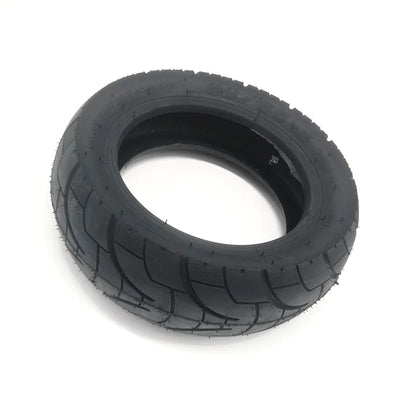
Tubeless vacuum tires to prevent flats
-
Dual-shock absorbers that soften bumps
-
6.3-inch high ground clearance to glide over curbs
-
C-shaped suspension for maximum stability
Smooth riding isn’t a luxury; in cities, it’s survival.
6. Health Benefits: A Sneaky Bonus
While micro mobility is powered by electricity, it still requires physical engagement.
Scooter riders burn 150–200 calories per hour, according to Harvard Health data. That’s not a gym workout — but it’s far healthier than sitting in traffic.
And let’s be real: gliding through fresh air beats sitting in a metal box any day.
7. Solving the “First Mile / Last Mile” Problem
This is one of the biggest benefits of micro mobility for urban commuters.
Most people don’t live directly next to a subway station or bus stop. And most public transit stops don’t drop riders directly at their workplace.
Electric scooters perfectly fill this gap.
You can ride to the station, fold the scooter, board, then unfold and finish the trip. Simple, fast, efficient.
Cities are literally being redesigned around this concept.
Why the Kaabo Urban Defines the Future of City Micro Mobility
To truly understand micro mobility’s future, look at the machines leading the movement.
The Kaabo Urban isn’t “just another electric scooter.” It's a purpose-built, high-performance urban mobility device engineered to conquer real commuter challenges.
Its most impressive features include:
500W Motor with Massive Torque
Hill climbing? No problem.
Crowded intersections? Easy.
Quick acceleration for short bursts? Effortless.
Vacuum Tubeless Tires
No flats. No downtime. No fear of the unexpected.
6 Riding Modes
From calm cruising to intense speed bursts — it adapts to you.
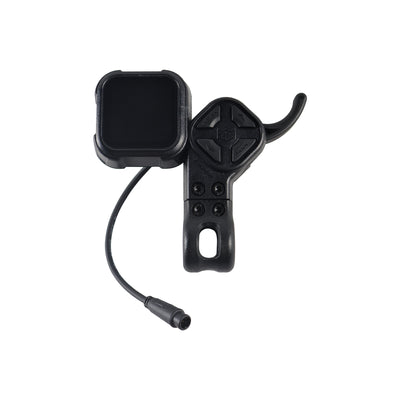
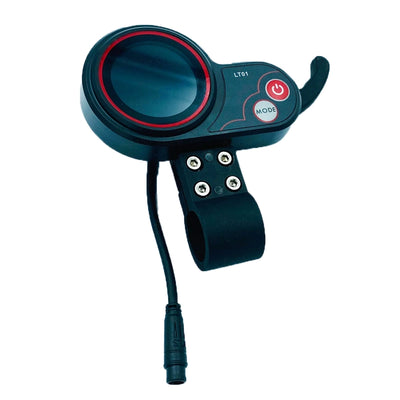
NFC Unlock + Smart Display
Tap to activate.
Crystal-clear dashboard.
A futuristic experience.
Lightweight & Foldable Frame
One-hand folding means true portability.
Dual-Shock C-Suspension
Designed for the unforgiving reality of U.S. roads.
You can explore the full product details here:
https://www.kaabousa.com/products/kaabo-urban
How Micro Mobility Helps Cities Grow Smarter
Micro mobility isn’t only about personal benefits — it transforms entire infrastructure systems.
Reduced Traffic Pressure
As more commuters switch to compact electric vehicles, roads become more efficient.
Cleaner Air and Lower Emissions
Cities with high micro mobility adoption see measurable drops in pollution levels.
More Public Space
Car-centric cities waste incredible amounts of space.
Parking lots. Lanes. Garages.
Micro mobility frees up this space for parks, sidewalks, and restaurants.
Lower Infrastructure Costs
Maintaining micro mobility lanes costs a fraction of road repairs.
That means cities save money — and commuters gain quality of life.
Real-World Case Studies: Micro Mobility in Action
Paris
Banned cars in major districts. Expanded bike & scooter lanes. Result: congestion dropped and micro mobility usage surged.
New York City
Launched large-scale micromobility programs and added protected lanes across Manhattan and Brooklyn.
San Francisco
Pushing electric mobility as part of its long-term sustainability strategy.
These cities aren’t experimenting anymore — they’re fully embracing micro mobility as a core element of modern transit.
Where Micro Mobility Is Heading Next
We’re entering a new era where micro mobility will play an even bigger role.
Expect to see:
-
More dedicated scooter/bike lanes
-
Government incentives for personal e-vehicles
-
Expanded charging networks
-
Smarter navigation technology
-
Integration with public transport apps
And companies like Kaabo are already preparing for that future by engineering scooters that meet growing urban demands.
Frequently Asked Questions (FAQs)
1. What are the main benefits of micro mobility for urban commuters?
The main benefits of micro mobility for urban commuters include faster travel times, lower transportation costs, and far greater flexibility in navigating cities.
2. Are electric scooters safe for everyday commuting?
Yes, modern scooters with suspension, bright displays, and stable tires greatly improve safety while offering the benefits of micro mobility for urban commuters.
3. Can micro mobility replace car travel completely?
Micro mobility can replace many short-distance trips, offering the benefits of micro mobility for urban commuters who want faster and cheaper transportation.
4. Why are cities investing in micro mobility infrastructure?
Cities invest in micro mobility because the benefits of micro mobility for urban commuters help reduce congestion, emissions, and long-term infrastructure costs.
5. Are electric scooters environmentally friendly?
Absolutely. They emit a fraction of the CO₂ produced by cars, contributing to the benefits of micro mobility for urban commuters who prioritize sustainability.
6. Is the Kaabo Urban suitable for long daily commutes?
Yes. With powerful acceleration, high ground clearance, and durable tires, it delivers the benefits of micro mobility for urban commuters who face unpredictable city terrain.
Micro Mobility Is the Future — And the Future Has Already Arrived
As cities get bigger, transportation must get smarter. The benefits of micro mobility for urban commuters go far beyond convenience — they’re reshaping how cities operate, how people move, and how urban life feels. Electric scooters like the Kaabo Urban represent not just a new gadget, but a fundamental shift toward cleaner, faster, and more human-centered travel.
Micro mobility isn’t coming.
It’s here.
And it’s only getting better.