










How Often Should You Replace Scooter Brake Pads and Tires
Electric scooters are fast, convenient, and fun. But like any vehicle, they rely on a few critical components to keep riders safe. Among them, brake pads and tires carry the biggest responsibility. Ignoring wear and tear doesn’t just reduce performance — it increases accident risk.
If you care about long-term performance and rider protection, understanding electric scooter safety maintenance is essential. This guide breaks down exactly how often you should replace scooter brake pads and tires, what warning signs to watch for, and how riding style, terrain, and scooter type affect replacement intervals.
Let’s dive deep.
Why Electric Scooter Safety Maintenance Matters More Than You Think
Electric scooter sales have surged worldwide. According to data from BloombergNEF’s electric mobility research, micro-mobility adoption has grown steadily across major cities over the last five years. As usage increases, so do maintenance-related accidents.
Unlike cars, scooters expose riders directly to road conditions. That means worn brake pads or thin tires can quickly turn into a serious hazard.
Proper electric scooter safety maintenance helps you:
-
Maintain braking efficiency
-
Prevent tire blowouts
-
Improve handling and grip
-
Extend motor and battery lifespan
-
Protect long-term investment
Most importantly, it protects you.
How Often Should You Replace Electric Scooter Brake Pads?
Brake pads are consumable parts. They wear down over time as friction slows the scooter.
Average Brake Pad Lifespan
For most electric scooters, brake pads typically last:
-
1,000 to 1,500 miles for standard commuting
-
500 to 1,000 miles for aggressive or downhill riding
-
Less in wet or muddy environments
High-performance scooters like those available. However, mileage alone is not the best measurement. Riding style plays a major role.
Signs You Need to Replace Brake Pads
Brake pads rarely fail suddenly. They give warnings:
You may hear a squealing or grinding noise when braking. This usually indicates the pad material is nearly gone.
You might feel reduced braking power. If stopping distances increase, your pads may be worn thin.
Another sign is vibration in the brake lever. This could mean uneven wear.
Lastly, visually inspect them. If pad thickness is less than 2–3 mm, replacement is overdue.
Routine inspection every 2–4 weeks is a smart part of electric scooter safety maintenance.
Disc vs Drum vs Regenerative Brakes
Not all scooters use the same braking system.
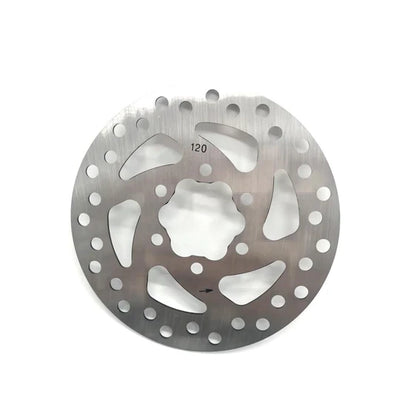
Disc brakes provide strong stopping power but wear pads faster.
Drum brakes are enclosed and last longer but may offer slightly less stopping performance.
Regenerative braking reduces wear by converting braking energy into battery recharge. However, it does not replace mechanical brakes.
Premium scooters often combine regenerative and disc systems. Even so, physical brake pads still require regular electric scooter safety maintenance.
How Often Should You Replace Electric Scooter Tires?
Tires are your only contact with the road. When they fail, control disappears instantly.
Average Tire Lifespan
Electric scooter tires usually last:
-
1,000 to 2,000 miles for commuter tires
-
700 to 1,200 miles for high-speed or off-road tires
-
Less if underinflated or overloaded
Tire longevity depends on:
Rider weight
Road surface quality
Weather conditions
Tire type (solid vs pneumatic)
According to transportation safety studies referenced by the National Highway Traffic Safety Administration, tire condition significantly affects stopping distance and stability.
Solid Tires vs Pneumatic Tires
Understanding your tire type is crucial for electric scooter safety maintenance.
Solid tires do not puncture but wear down faster on rough terrain. They transmit more vibration to the scooter frame.
Pneumatic (air-filled) tires provide better grip and shock absorption. However, they require proper inflation and are vulnerable to flats.
Tubeless pneumatic tires are currently the most balanced option for performance and durability.
Signs Your Scooter Tires Need Replacement
Tires rarely explode without warning. Look for these signs:
The tread pattern becomes smooth. Reduced tread lowers traction in wet conditions.
Visible cracks or dry rot appear along sidewalls.
You experience frequent pressure loss.
The scooter feels unstable at high speed.
If tread depth drops below 1 mm, replacement should not be delayed. This is a fundamental aspect of electric scooter safety maintenance.
How Riding Habits Affect Brake and Tire Wear
Two riders can own the same scooter and experience completely different wear timelines.
Aggressive riders who brake hard at high speeds wear brake pads twice as fast.
Riders who frequently accelerate rapidly stress tires and motors.
Heavy riders increase pressure on both braking systems and rubber.
Urban riders dealing with potholes, gravel, and debris also accelerate tire damage.
If you commute daily, you should inspect components monthly. Casual weekend riders can check every 6–8 weeks.
Maintenance Comparison Table
Below is a simplified comparison to help estimate replacement timing.
| Component | Average Lifespan | Aggressive Riding | Signs of Wear |
|---|---|---|---|
| Brake Pads | 1,000–1,500 miles | 500–1,000 miles | Squealing, weak braking |
| Pneumatic Tires | 1,000–2,000 miles | 700–1,200 miles | Bald tread, cracks |
| Solid Tires | 1,200–2,000 miles | 800–1,500 miles | Flattened surface |
This table offers guidance only. Actual mileage varies significantly.
Seasonal Factors That Impact Wear
Weather matters more than most riders think.
Cold weather hardens rubber compounds, increasing tire brittleness.
Hot pavement softens rubber, accelerating tread wear.
Rain reduces traction, forcing riders to brake more frequently.
Therefore, adjusting inspection frequency seasonally improves electric scooter safety maintenance.
The Cost of Ignoring Replacement
Delaying replacement may seem economical, but it often leads to larger expenses.
Worn brake pads can damage rotors, increasing repair costs.
Damaged tires can lead to rim deformation.
More importantly, accident-related injuries cost far more than preventive maintenance.
Replacing brake pads typically costs between $20–$50. Tires range from $30–$80 depending on type. Compared to medical expenses or scooter damage, maintenance is minimal.
Professional Replacement vs DIY
Many scooter owners replace brake pads and tires themselves. It’s cost-effective but requires proper tools and knowledge.
However, incorrect installation reduces braking performance.
If you are unsure, visit an authorized service center. High-performance scooters especially benefit from professional inspection as part of electric scooter safety maintenance.
How to Extend Brake and Tire Lifespan
You don’t always need frequent replacements if you maintain smart habits.
Brake gradually instead of slamming levers.
Keep tires inflated to manufacturer-recommended PSI.
Avoid riding through glass, gravel, or construction zones.
Reduce speed on rough roads.
Clean your scooter regularly to remove debris around brake systems.
Small habits significantly reduce wear.
When High-Performance Scooters Require Extra Attention
Powerful scooters with dual motors and speeds above 30 mph experience higher mechanical stress.
Heavier frames and larger batteries also increase braking load.
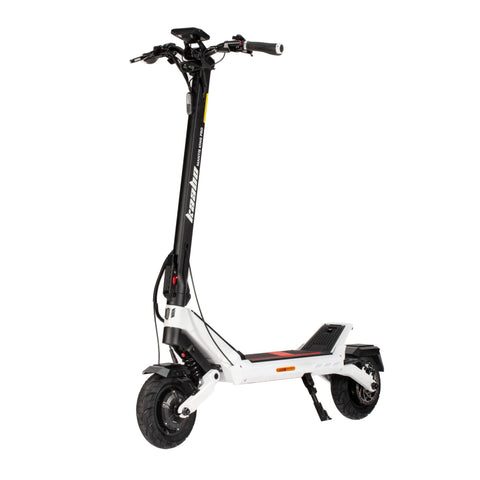
If you ride performance models similar to those from Kaabo USA, checking pads and tires every 300–500 miles is wise.
High torque equals high wear.
Frequently Asked Questions
How often should I inspect my scooter for electric scooter safety maintenance?
You should inspect brake pads and tires at least once a month if you ride regularly. Routine electric scooter safety maintenance helps detect early wear before it becomes dangerous.
Can worn brake pads damage other parts?
Yes. Ignoring brake pad wear compromises electric scooter safety maintenance and can damage rotors, increasing repair costs.
Do solid tires eliminate electric scooter safety maintenance?
No. While solid tires prevent punctures, electric scooter safety maintenance still requires checking for surface flattening, cracks, and uneven wear.
Is it safe to ride with slightly worn tires?
If tread is significantly reduced, traction drops, especially in rain. Proper electric scooter safety maintenance recommends replacing tires before tread disappears completely.
Does regenerative braking reduce brake pad replacement frequency?
Yes, partially. Regenerative systems reduce reliance on mechanical braking, improving electric scooter safety maintenance intervals, but they do not eliminate pad wear entirely.
Ride Safe, Ride Smart
Brake pads and tires are small components with enormous responsibility. They determine how fast you stop, how stable you corner, and how confidently you ride.
Most riders underestimate how quickly these parts wear down. Yet, consistent inspection and timely replacement are simple, affordable, and effective.
When you prioritize electric scooter safety maintenance, you are not just protecting your scooter — you are protecting yourself.
Make inspection a habit. Replace parts before they fail. And enjoy every ride knowing your scooter is performing at its safest level.