













Riding an Electric Scooter in Winter: What You Need to Know — The Ultimate Guide to Winter Electric Scooter Riding

Winter doesn’t mean you have to leave your electric scooter in the garage until spring. Many riders continue commuting during the colder months, and with the right preparation, it can be safe, efficient, and surprisingly enjoyable. The challenge, of course, is knowing how to ride an electric scooter in winter safely without damaging your battery, risking stability on icy roads, or exposing yourself to harsh weather conditions.
This guide breaks everything down in simple language — from how cold weather affects your scooter to real-world safety techniques, must-use gear, maintenance tips, and expert insights. Inspired by winter riding trends and industry recommendations, this article ensures you're fully prepared for every snowy, rainy, or slushy ride.
Why Winter Riding Requires Extra Preparation
Winter riding isn’t just about colder temperatures. It introduces a mix of rain, snow, ice, salt, wind chill, and reduced visibility. According to transportation data from The National Weather Service, nearly 24% of weather-related vehicle accidents happen on snowy or icy roads, which highlights that extra caution is essential for riders of all kinds.
Electric scooters are particularly sensitive to winter conditions because of:
Battery performance,
Reduced tire traction,
Water exposure,
Decreased visibility, and
Longer braking distances.
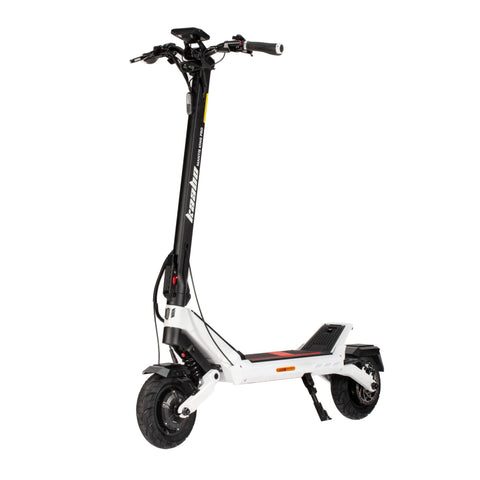
Even high-end models like the Kaabo King GT or Kaabo Warrior X benefit from winter preparation because lithium batteries and motors naturally respond differently in colder air.
How Cold Weather Affects Your E-Scooter
To understand how to ride an electric scooter in winter safely, you first need to understand how cold weather changes the way your scooter behaves.
1. Battery Efficiency Drops in Low Temperatures
Lithium-ion batteries operate best at 20–25°C (68–77°F). In winter, the capacity drops, meaning:
-
You get fewer miles per charge
-
Power output temporarily decreases
-
Charging takes longer
-
Regenerative braking may disable itself until the battery warms up
This is completely normal. According to data published by Battery University, cold air can reduce lithium battery capacity by up to 40%.
2. Tire Traction Decreases on Snow and Ice
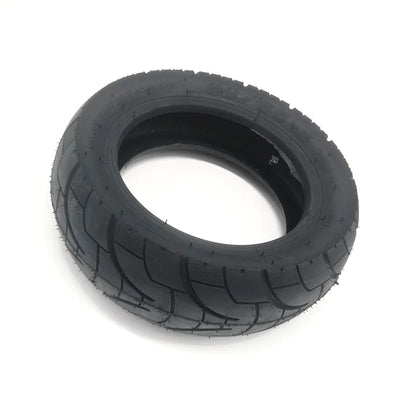
Cold rubber hardens, reducing grip. That’s why many riders upgrade to thicker tread or hybrid off-road tires during winter.
3. Motor and Waterproof Components Face More Stress
Even if your Kaabo scooter is IPX-rated, winter brings slush, road salt, and heavy moisture. Prolonged exposure can stress internal wiring and connectors if not properly maintained.
Preparing Your Electric Scooter for Winter Riding
This section is essential for anyone wanting to know how to ride an electric scooter in winter safely without damaging the scooter.
Check Your Tires
Scooter tires lose pressure quickly in cold weather. Under-inflated tires reduce stability and over-inflated tires reduce grip on slippery surfaces. Keep them at the manufacturer’s winter-recommended PSI.
Hybrid, knobby, or off-road tires — like those available on the Kaabo Warrior X — offer the best winter traction.
Inspect Brakes Carefully
Wet brake rotors freeze, and cold pads stiffen. Always test your brakes at slow speeds before heading into traffic. Scooters with hydraulic brakes (e.g., King GT) typically perform better in cold weather.
Protect the Battery
Charge your scooter at room temperature. Never charge a frozen battery. Keep your scooter indoors if possible to preserve battery health.
Check Fenders and Mudguards
Winter means slush, sand, and salt. Proper fenders protect both the scooter and the rider from road spray.
How to Ride an Electric Scooter in Winter Safely (Most Important Section)
Winter riding comes down to technique and awareness. Here’s exactly how to ride an electric scooter in winter safely in real-world conditions.
Go Slower Than You Normally Would
Speed should always be reduced in winter. Shorter reaction windows and longer braking distances make slower travel the safest choice.
Avoid Sudden Turns or Sharp Accelerations
Fast turns can cause wheel slip on wet leaves, frost, or thin ice. Accelerate gradually and maintain a stable upright posture.
Look Ahead for Black Ice
Black ice is nearly invisible. It forms in shaded areas, bridges, and early mornings. If you suspect ice, do not brake suddenly — let the scooter roll through it.
Use Both Brakes Gently
Hydraulic brakes help, but in icy conditions, even powerful brakes can skid. Use gentle, progressive braking.
Wear the Right Winter Riding Gear
Wind chill at 20 mph can feel like -10°C even if the actual temperature is much higher. Wear:
-
Thermal gloves
-
Waterproof jacket
-
Anti-fog helmet
-
Reflective clothing
-
Insulated boots
Better gear = better stability and better control.
Is Your Scooter Waterproof Enough for Winter?
Different scooters have different IP ratings. Kaabo’s lineup, for example, varies by model. Winter riders should aim for IPX5 or higher. However — even if rated — never immerse the scooter in deep slush or puddles.
Saltwater and slush can corrode internal components over time. A simple silicone spray or anti-corrosion spray around exposed wiring helps dramatically.
Best Kaabo Scooters for Winter Riding
To help riders find durable winter-ready models, here are some strong options available in the KaaboUSA shop:
1. Kaabo King GT
Link: https://www.kaabousa.com/collections/electric-scooters
Known for stability, hydraulic brakes, and thick tires — ideal for slippery surfaces.
2. Kaabo Warrior X
Link: https://www.kaabousa.com/collections/electric-scooters
Great traction, powerful lighting, and strong waterproofing.
3. Kaabo Mantis King GT
Link: https://www.kaabousa.com/collections/electric-scooters
Light but capable for urban winter commuting.
These scooters handle cold weather better than most because of powerful frames, dual suspension, and off-road tires.
Winter Battery Care: Extend Lifespan and Performance
Battery longevity becomes a crucial part of knowing how to ride an electric scooter in winter safely.
Charge Indoors Only
Charging a cold battery leads to lithium plating — a permanent form of damage.
Store at 50–70% Charge Overnight
This is the ideal percentage for winter storage according to Battery University research.
Warm the Scooter Before Riding
Room-temperature batteries deliver more power and range.
Dry the Scooter Before Plugging In
Moisture near the charging port is one of the biggest winter hazards.
Protecting Yourself During Winter Rides
Visibility becomes more important than ever. Use strong headlights and taillights. Waterproof gloves improve grip, and anti-fog visors keep your vision clear.
Layering your clothes not only keeps you warm but also increases safety. The warmer your fingers, the better your brake and throttle control.
Common Winter Riding Mistakes to Avoid
Many riders fail to consider these winter hazards:
-
Riding with worn-out tires
-
Braking too late
-
Accelerating too quickly
-
Riding over snow-covered potholes
-
Ignoring early signs of battery drain
-
Leaving the scooter outdoors overnight
Avoiding these mistakes is part of mastering how to ride an electric scooter in winter safely in real-world situations.
FAQ Section
1. Can I ride my electric scooter in the snow?
Yes, but only light snow is safe, and you must know how to ride an electric scooter in winter safely to avoid slipping or damaging your battery.
2. Does cold weather damage electric scooter batteries?
Cold weather temporarily reduces battery performance. Understanding how to ride an electric scooter in winter safely includes warming the battery indoors before charging or riding.
3. How do I prevent slipping on winter roads?
The key is adjusting your speed, avoiding sharp turns, and practicing how to ride an electric scooter in winter safely through proper tire traction and braking technique.
4. Is winter rain harmful to my electric scooter?
Light rain is fine if your scooter has proper waterproofing. But how to ride an electric scooter in winter safely includes avoiding deep slush, puddles, and saltwater exposure.
5. Should I upgrade tires for winter riding?
Yes. Knobby or hybrid tires improve control, making how to ride an electric scooter in winter safely much easier and more predictable.
A Final Word for Winter Riders
Winter riding doesn’t have to be intimidating. With the right preparation, gear, and knowledge of how to ride an electric scooter in winter safely, you can maintain your commute, protect your scooter, and enjoy the colder months with confidence. Just remember: slow speed, strong traction, warm batteries, and clear visibility make all the difference.