













How to Ride Your Kaabo Electric Scooter Safely in Winter

Riding an electric scooter during winter can feel intimidating, especially when temperatures drop, roads become slippery, and daylight hours shrink. Yet, for many riders, commuting or enjoying weekend rides doesn’t stop just because the season changes. If you own a Kaabo Electric Scooter, winter riding can still be safe, controlled, and even enjoyable—as long as you prepare properly and adjust your habits.
Kaabo scooters are known for their power, durability, and performance, but winter conditions introduce challenges that even the strongest scooters must respect. Cold weather affects battery efficiency, tire grip, braking distance, and rider visibility. According to transportation safety data referenced by Bloomberg, accident risk increases significantly in cold and wet conditions due to reduced traction and slower reaction times. That doesn’t mean you should park your scooter for months—it means you need the right approach.
This guide walks you through real-world, practical advice on how to ride your Kaabo Electric Scooter safely in winter, based on riding physics, manufacturer guidance, and proven safety practices. Whether you’re commuting daily or riding occasionally, these insights will help you stay upright, visible, and confident all season long.
Understanding Winter Riding Risks for Electric Scooters
Winter riding isn’t just “summer riding with a jacket.” Cold weather changes how both your scooter and your body behave. One of the biggest differences is traction. When temperatures drop, asphalt becomes harder and less forgiving, while moisture from rain, frost, or melting snow reduces tire grip dramatically.
For a high-performance Kaabo Electric Scooter, which delivers strong torque, this reduced grip means acceleration must be smoother and more controlled. Sudden throttle inputs that feel normal in summer can cause wheel spin in winter. Braking distances also increase, especially on cold or wet roads.
Another often-overlooked factor is visibility. Shorter days, fog, and low winter sun angles make it harder for drivers to see scooter riders. According to road safety research highlighted by Bloomberg’s transportation data analysis, visibility-related incidents increase during winter months, particularly during early mornings and evenings.
Understanding these risks is the first step toward riding smarter rather than harder.
Preparing Your Kaabo Electric Scooter for Winter Conditions
Before you even think about riding, your scooter needs a winter readiness check. A Kaabo Electric Scooter is built tough, but winter demands extra attention.
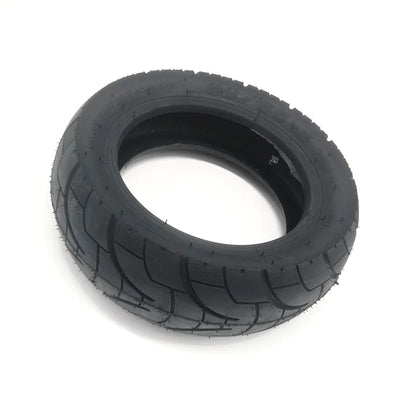
Start with your tires. Tire pressure naturally drops in cold weather. Underinflated tires reduce efficiency and handling, while overinflated tires lose grip. Check pressure regularly and keep it within Kaabo’s recommended range. If your model allows it, slightly wider tires or winter-optimized tread patterns can improve stability.
Brakes deserve special attention. Disc brakes perform well in cold conditions, but moisture can reduce effectiveness if pads or rotors are worn. Make sure your brakes engage smoothly and evenly before every ride. A quick test roll in a safe area can reveal issues early.
Battery health is another critical area. Cold temperatures reduce lithium-ion battery efficiency. You may notice shorter range or slower power delivery. This is normal and not a defect. Always store and charge your Kaabo Electric Scooter indoors when possible, ideally at room temperature. Never charge a frozen battery, as this can permanently damage cells.
Lighting should never be optional in winter. Even if your Kaabo model has built-in lights, consider adding auxiliary front and rear lights for extra visibility. Being seen is just as important as seeing the road.
Dressing Smart: Winter Gear That Actually Helps
Riding safely in winter isn’t only about the machine—it’s also about the rider. Cold, stiff muscles react more slowly, which affects balance and braking response.
Layering is more effective than bulky clothing. Start with a thermal base layer to retain heat, followed by wind-resistant outerwear. Avoid loose clothing that can flap or catch on controls.
Your hands matter more than you think. Cold fingers reduce throttle control and braking precision. Insulated, waterproof gloves designed for riding will give you better grip and feel than standard winter gloves.
Footwear should provide warmth and traction. Smooth-soled shoes can slip off the deck in wet conditions. Shoes or boots with rubberized soles help maintain control on a Kaabo Electric Scooter, especially when stopping.
A full-face or well-insulated helmet liner can make winter rides more comfortable while maintaining safety. Fog-resistant visors or anti-fog inserts are especially useful in cold air.
Adjusting Riding Technique for Winter Safety
Winter riding requires a calmer mindset. The goal is smoothness, not speed. Even with a powerful Kaabo Electric Scooter, restraint is your best safety tool.
Acceleration should be gradual. Avoid sudden throttle input, especially from a standstill. Gentle starts reduce the risk of rear-wheel slip on cold pavement.
Braking needs to start earlier than usual. Increase your following distance and apply brakes progressively. If your Kaabo scooter has dual brakes, use them evenly to maintain balance. Sudden hard braking can overwhelm tire grip, particularly on damp roads.
Cornering is where many winter accidents happen. Lean less than you would in summer and take turns at reduced speeds. Keep your body more upright while letting the scooter lean slightly, which helps maintain traction.
Be especially cautious on painted road markings, metal covers, and brick surfaces. These areas become extremely slippery when cold or wet and can cause sudden loss of control.
Choosing the Right Routes in Winter
Not all roads are equal in winter. Route choice can make a big difference in safety and comfort.
Whenever possible, stick to well-maintained roads that are regularly cleared of debris and moisture. Avoid shortcuts through shaded areas where ice can linger longer.
Bike lanes are useful, but they can accumulate leaves, dirt, and water in winter. Scan ahead and adjust your line smoothly rather than swerving at the last second.
Urban riders using a Kaabo Electric Scooter should pay extra attention at intersections. Drivers may be less attentive in poor weather, and stopping distances for cars increase in winter too.
Battery Care and Storage During Cold Months
Battery care deserves its own focus because it directly affects performance and longevity. Cold temperatures temporarily reduce battery output, which means your Kaabo Electric Scooter may feel less responsive at first.
Allow the scooter to “warm up” with gentle riding for the first few minutes. Power delivery often improves slightly as the battery temperature rises during use.
Never leave your scooter outdoors overnight in freezing conditions. Long-term cold exposure accelerates battery degradation. Storing your scooter indoors not only protects the battery but also electronics and seals.
If you won’t be riding for extended periods, store the battery at around 50–70% charge. This helps preserve battery health throughout winter.
For more detailed care tips and official recommendations, you can always refer to resources available on the Kaabo USA official website, which offers model-specific guidance and updates: https://www.kaabousa.com/
Why Kaabo Scooters Are Well-Suited for Winter Riding
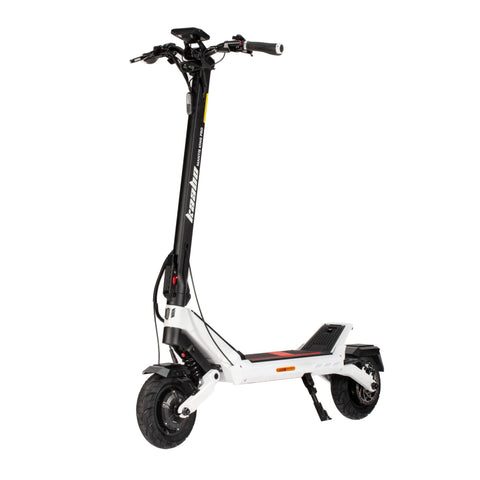
Not all electric scooters handle winter equally. One advantage of a Kaabo Electric Scooter is its robust build quality. Strong frames, high-quality suspension systems, and powerful braking setups give riders more control when conditions are less forgiving.
Many Kaabo models feature wide decks and stable geometry, which improve balance on uneven or wet surfaces. While no scooter is immune to physics, these design choices offer an extra margin of safety when ridden responsibly.
That said, even the best scooter can’t overcome poor judgment. Winter riding success comes from matching your scooter’s capabilities with realistic expectations and cautious technique.
Frequently Asked Questions
Can I ride my Kaabo Electric Scooter in light snow?
Yes, light snow can be manageable if the road surface underneath is visible and not icy. Ride slowly and smoothly, as traction is significantly reduced on a Kaabo Electric Scooter in snowy conditions.
Does cold weather damage a Kaabo Electric Scooter battery?
Cold weather doesn’t permanently damage the battery by itself, but charging or storing a frozen battery can. Always keep your Kaabo Electric Scooter battery warm and charge it indoors.
How much range loss should I expect in winter?
Range reduction of 20–30% is common in cold weather. This is normal behavior for lithium-ion batteries used in a Kaabo Electric Scooter and improves when temperatures rise.
Are winter tires necessary for electric scooters?
Dedicated winter tires aren’t mandatory, but tires with deeper tread can improve grip. Even without winter tires, careful riding on a Kaabo Electric Scooter makes a big difference.
Is it safe to ride at night during winter?
Night riding is safe if visibility is prioritized. Use strong lights and reflective gear so drivers can see your Kaabo Electric Scooter clearly in low-light conditions.
Ride Smarter, Not Braver, This Winter
Winter doesn’t have to end your riding season. With the right preparation, mindset, and respect for conditions, your Kaabo Electric Scooter can remain a reliable companion even in cold months. Smooth control, proper maintenance, and smart route choices matter far more than raw power. When you adapt your riding style to winter realities, you don’t just stay safer—you ride with confidence and control, no matter the temperature.