













5 Tips to Maximize Your Kaabo Scooter Battery in Cold Weather

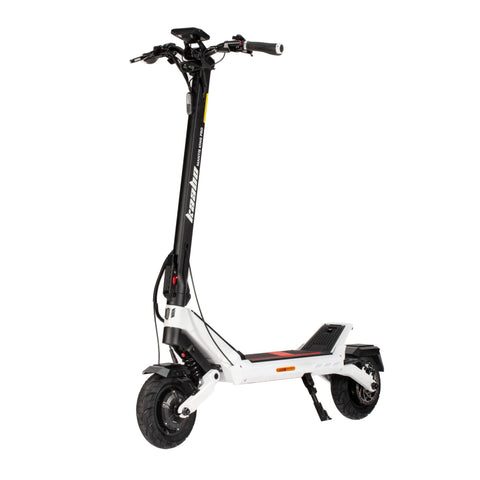
Cold weather can quietly drain your electric scooter’s performance, and battery efficiency is usually the first thing riders notice. If you own a Kaabo scooter, winter riding doesn’t have to mean shorter trips, sudden power drops, or long charging times — but only if you understand how cold temperatures affect lithium batteries and how to manage them properly.
This guide focuses on practical, real-world strategies specifically suited for Kaabo electric scooters. Whether you ride daily or occasionally, these tips will help you protect your investment, extend range, and maintain long-term battery health throughout the colder months.
Understanding How Cold Weather Affects Kaabo Scooter Batteries
Lithium-ion batteries, including those used in Kaabo scooters, rely on chemical reactions to produce power. In cold conditions, those reactions slow down. As a result, battery voltage drops faster, capacity feels reduced, and range can decrease by 20–40% depending on temperature.
According to research published by the U.S. Department of Energy, lithium-ion batteries experience noticeable efficiency loss below 50°F (10°C), with sharper declines under freezing conditions. That doesn’t mean damage happens instantly, but repeated cold exposure without proper care accelerates battery degradation.
Kaabo scooters are built for performance and durability, yet even high-quality battery packs need winter-specific handling.
Tip 1: Store Your Kaabo Scooter Battery in a Warm, Dry Environment
One of the most overlooked factors in cold weather Kaabo scooter battery optimization is storage. Many riders focus on riding habits but forget what happens when the scooter is parked.
When stored in cold environments such as garages, sheds, or balconies, batteries slowly lose charge and experience voltage stress. Over time, this reduces overall capacity.
The ideal storage temperature for Kaabo scooter batteries is between 50°F and 77°F (10°C–25°C). If outdoor storage is unavoidable, removing the battery (if model allows) and storing it indoors makes a noticeable difference.
It’s also important to avoid extreme warmth. Placing a battery directly near heaters or radiators can cause internal stress. A stable indoor room temperature is best.
For long-term winter storage, keeping the battery at around 50–60% charge is widely recommended by battery manufacturers, including guidance referenced by Battery University.
Tip 2: Warm the Battery Before Riding, Not During Charging
Many riders assume they should immediately charge their scooter after a cold ride. In reality, charging a cold lithium battery is one of the fastest ways to shorten its lifespan.
When battery cells are cold, internal resistance increases. Charging under these conditions can cause lithium plating, a process that permanently reduces capacity.
The better approach is simple:
Let your Kaabo scooter battery warm up naturally indoors for 30–60 minutes before plugging it in.
Similarly, before riding, allowing the battery to reach a moderate temperature helps restore voltage stability and improves throttle response. Some experienced riders notice 10–15% more usable range simply by warming the battery first.
This habit alone plays a major role in maximizing Kaabo scooter battery life in winter.
Tip 3: Ride Smarter to Reduce Cold-Weather Battery Drain
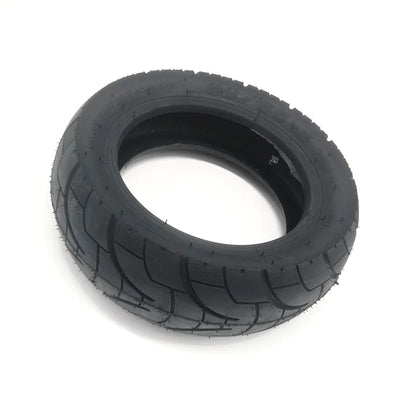
Cold weather increases rolling resistance, stiffens tires, and thickens internal lubricants. That means your scooter works harder for the same distance.
Aggressive riding habits amplify this effect.
Smooth acceleration, steady cruising, and avoiding unnecessary full-throttle starts help preserve energy. Dual-motor Kaabo models, while powerful, consume significantly more battery in winter when both motors are engaged continuously.
Switching to single-motor mode when conditions allow can noticeably improve winter range.
Below is a general comparison of riding behavior impact in cold conditions:
| Riding Style | Battery Drain Rate | Winter Range Impact |
|---|---|---|
| Aggressive acceleration | Very High | −35% to −45% |
| Mixed riding | Moderate | −25% to −30% |
| Smooth, steady cruising | Low | −15% to −20% |
Tire pressure also matters more in winter. Cold air lowers PSI, increasing drag. Keeping tires properly inflated helps reduce unnecessary power loss.
Tip 4: Avoid Deep Discharges in Cold Temperatures
Running your battery close to zero in winter is far more damaging than in warmer months. Voltage drops happen faster in cold weather, which can trigger sudden shutdowns even when the display shows remaining charge.
To protect battery health, try to end rides with at least 20–30% battery remaining during winter. This buffer reduces cell stress and helps maintain consistent voltage levels.
Kaabo’s battery management systems are designed for safety, but repeated deep discharges — especially in cold environments — accelerate long-term wear.
If you ride longer distances, planning shorter winter routes or charging more frequently is a smarter strategy for Kaabo scooter battery cold weather performance.
Tip 5: Use the Right Charger and Charging Habits
Charging habits become more important during winter months. Always use the official Kaabo charger or a certified compatible charger. Cheap third-party chargers often lack proper temperature regulation and voltage control.
Slow charging is also beneficial in cold seasons. While fast charging is convenient, lower current charging generates less heat stress and improves long-term battery health.
Plugging in immediately after a freezing ride may seem logical, but patience pays off. Letting the battery stabilize first significantly reduces internal damage risks.
For official accessories and verified components, riders can always check updates and product recommendations directly on Kaabo USA:
https://www.kaabousa.com/
Common Myths About Kaabo Scooter Batteries in Winter
Many riders believe batteries “freeze” or permanently fail after one cold ride. That’s not accurate. Modern lithium-ion packs are resilient, but misuse over time causes gradual degradation.
Another myth is that riding faster warms the battery enough to offset cold damage. While internal temperature does rise slightly during use, it doesn’t compensate for aggressive drain or poor charging habits.
Understanding these nuances is key to long-term Kaabo scooter battery winter care.
Frequently Asked Questions
How much range loss should I expect from my Kaabo scooter battery in cold weather?
Most riders experience a 20–40% range reduction, depending on temperature, riding style, and how well they manage Kaabo scooter battery cold weather performance.
Is it safe to charge my Kaabo scooter battery immediately after riding in winter?
It’s safer to wait until the battery warms to room temperature. Charging cold cells reduces efficiency and harms Kaabo scooter battery cold weather lifespan.
Should I ride my Kaabo scooter daily during winter or store it?
Regular light use is fine, but proper indoor storage and controlled charging are essential for Kaabo scooter battery cold weather protection.
Do battery covers or insulation wraps help in winter?
They can slow heat loss but won’t fully prevent cold impact. They work best when combined with good Kaabo scooter battery cold weather habits.
What’s the best charging level for winter storage?
Around 50–60% charge is ideal to preserve Kaabo scooter battery cold weather health during long storage periods.
Ride Further, Ride Smarter — Even When It’s Cold
Cold weather doesn’t have to limit your riding season or damage your scooter. By adjusting storage habits, charging timing, and riding style, you can significantly improve Kaabo scooter battery cold weather performance and extend its lifespan.
Small changes add up over time. Treat the battery right, and your Kaabo scooter will continue delivering strong, reliable performance — even when temperatures drop.